Photography Style
Photography Style
Photography plays a critical role in making io.suite feel human, approachable, and relevant. While many technology brands focus on products in isolation, io.suite uses photography to show how technology fits into everyday life.
Our photography should always support the brand's core positioning:
Simple technology for real people.
Images should feel authentic, relatable, and useful. They should help customers immediately understand how a product fits into their routines, activities, and experiences.
General Style & Feel
The io.suite photography style is built around everyday life.
Photography should feel:
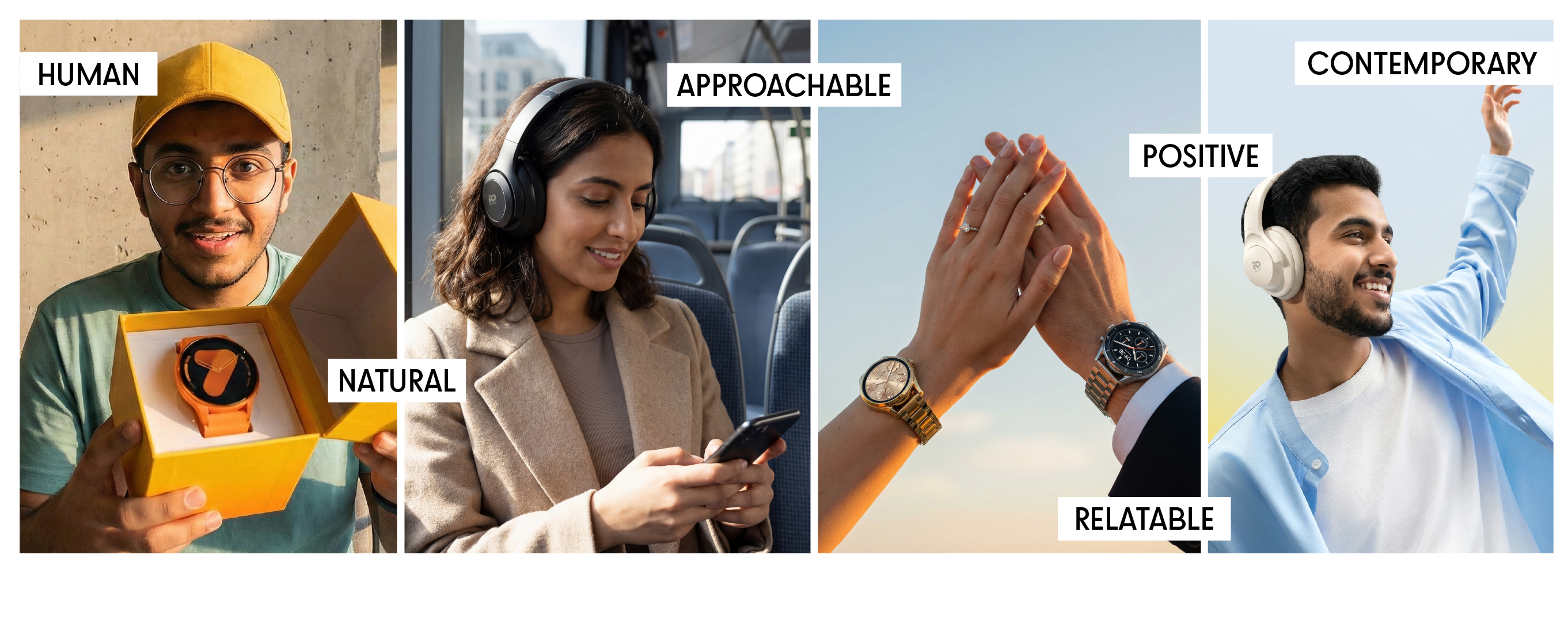
Images should communicate real moments rather than staged technology demonstrations. People should appear comfortable, confident, and naturally engaged with the product.
The overall visual language should prioritize warmth and familiarity over premium exclusivity or technical sophistication.
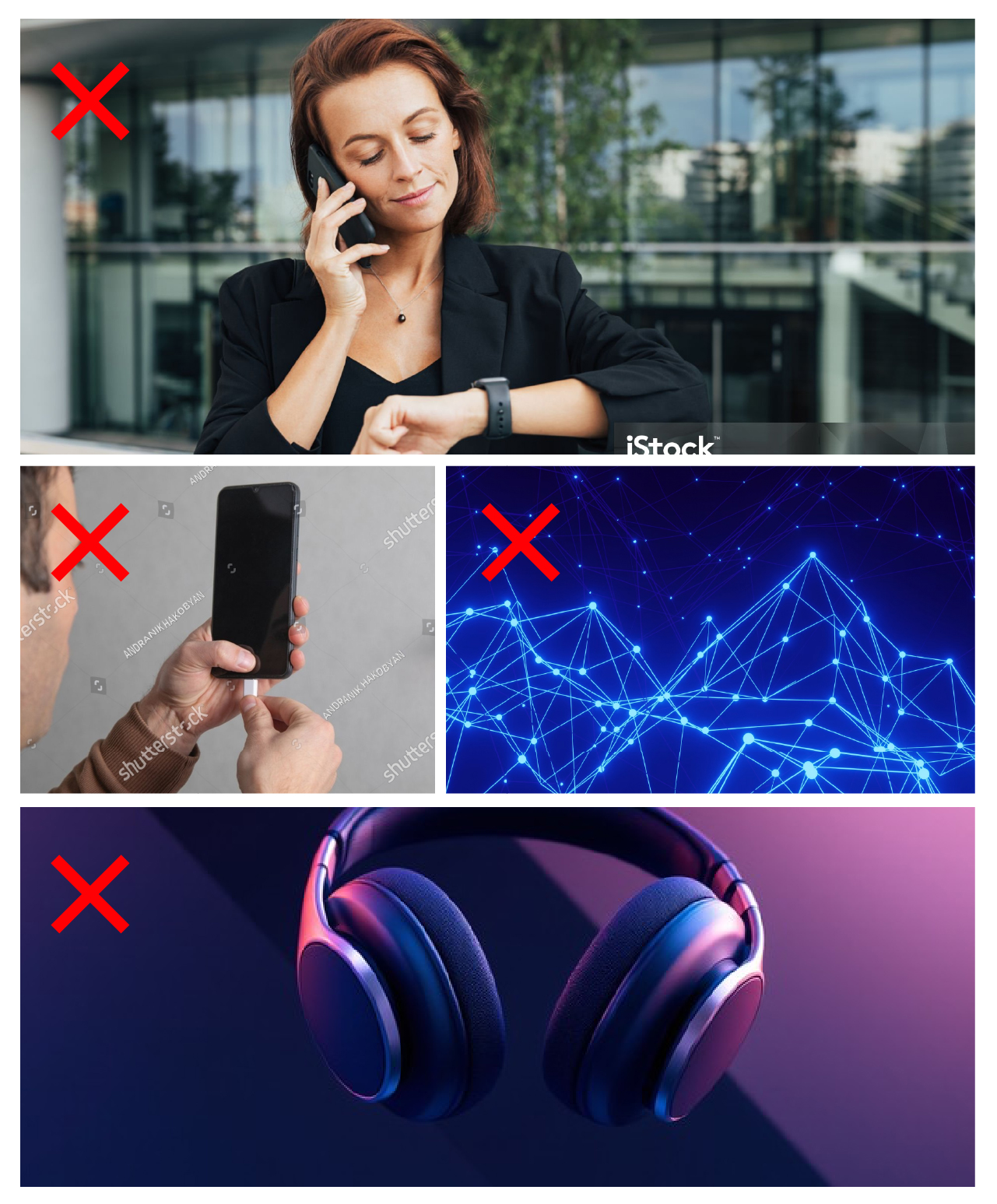
Avoid:
- Futuristic technology aesthetics
- Corporate stock photography
- Overly dramatic lighting
- Abstract technology visuals
- Cold, sterile environments
Technology should feel integrated into life, not separated from it.
Cultural Relevance & Localization
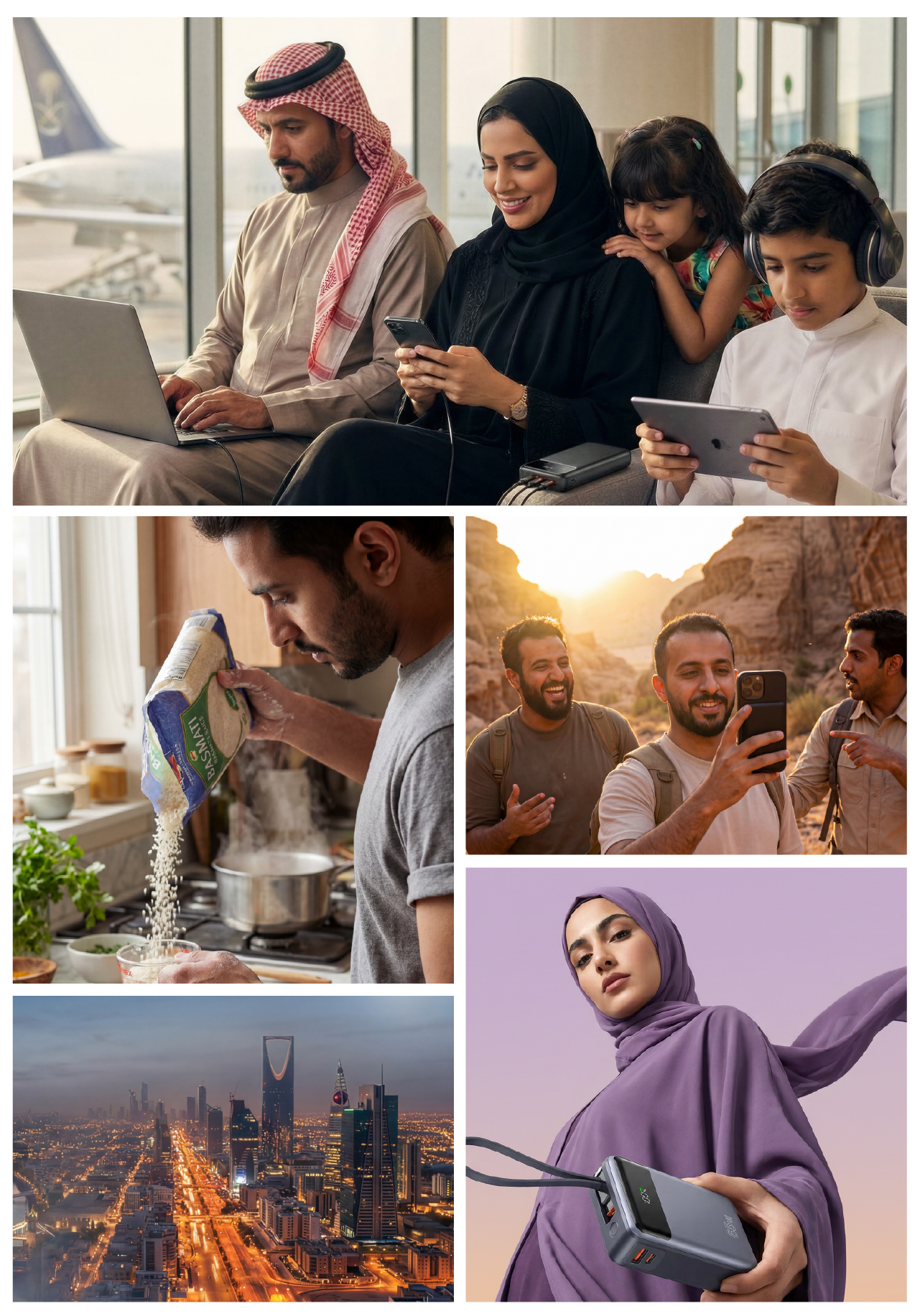
As a Saudi-focused brand, photography should reflect the people, environments, and lifestyles of the region.
Where possible, imagery should feature:
- Saudi individuals and families
- Local environments and landmarks
- Regional travel and leisure activities
- Everyday situations familiar to local audiences
Representation should feel natural and authentic rather than performative.
Photography should communicate a modern Saudi lifestyle while remaining accessible and inclusive to a broad audience.
The goal is for customers to recognize themselves and their experiences within the brand.
Lifestyle Photography
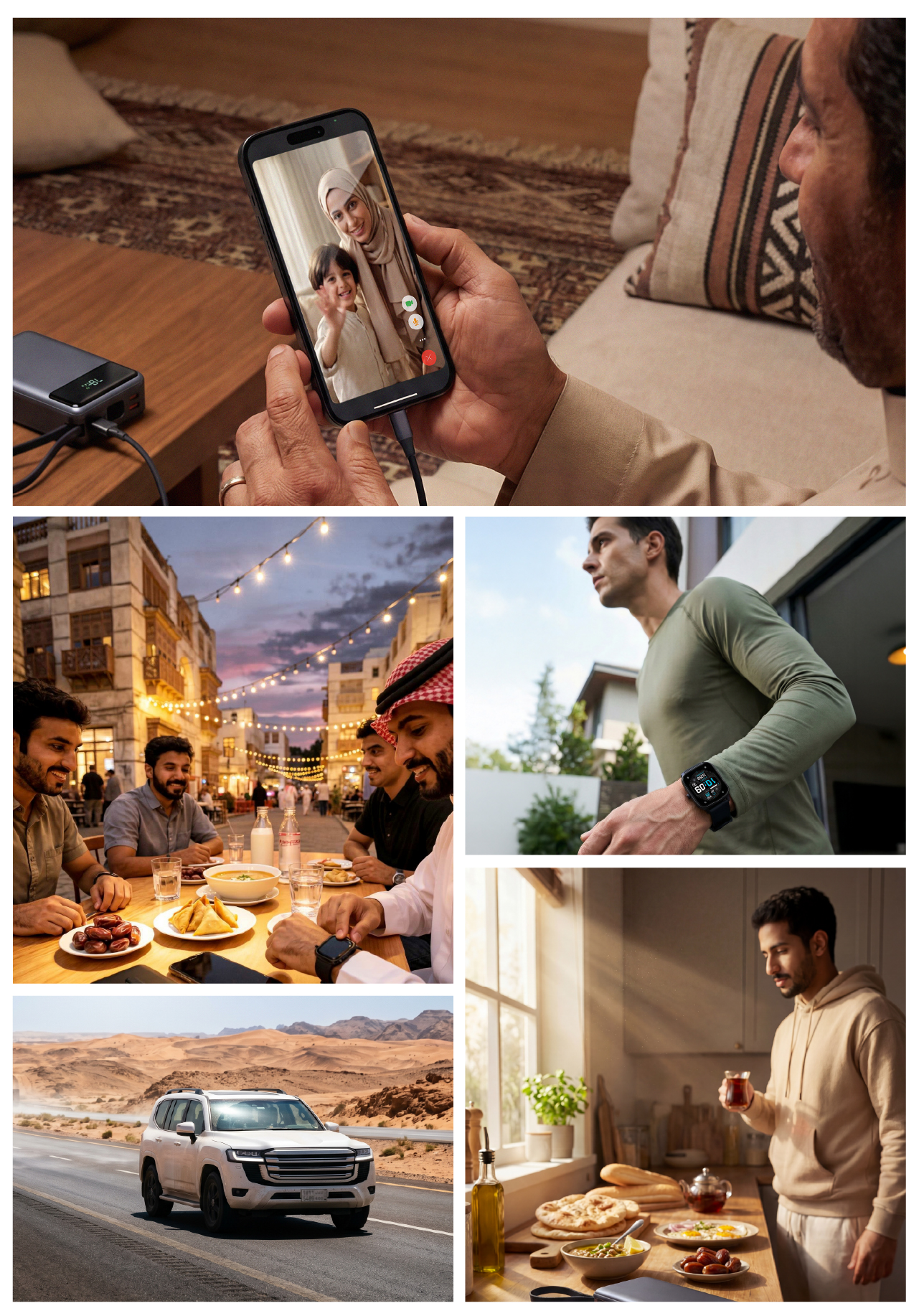
Lifestyle photography is the primary photography style used across social media, retail communication, advertising, e-commerce, and packaging.
Lifestyle imagery should demonstrate products being used within real situations and everyday moments.
Common scenarios include:
- Travel and commuting
- Family interactions
- Fitness and exercise
- Study and work
- Outdoor activities
- Daily routines
- Social gatherings
Products should support the story rather than dominate it.
The audience should first connect with the situation and then understand how the product contributes to it.
Whenever possible, lifestyle photography should communicate:
- Convenience
- Connection
- Movement
- Simplicity
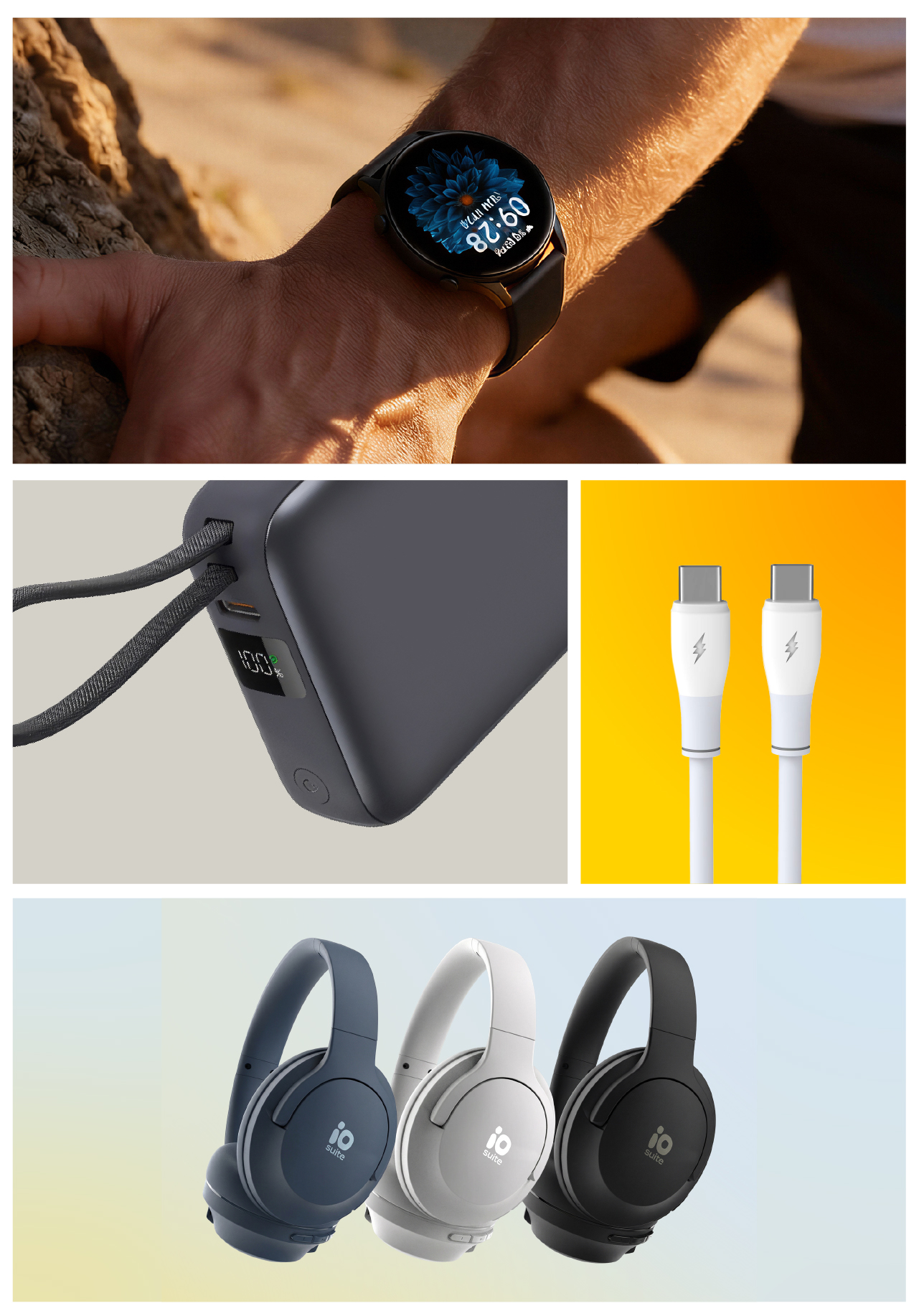
Product Photography
Product photography should be clean, clear, and easy to understand.
Its primary purpose is to help customers quickly identify products and understand their key features.
Product photography should:
- Use clear angles
- Showcase important details
- Maintain consistent lighting
- Prioritize readability and clarity
- Work effectively across packaging, retail, and online platforms
Products should be photographed professionally while remaining approachable and accessible.
Avoid highly stylized technology photography that makes products appear overly technical or intimidating.
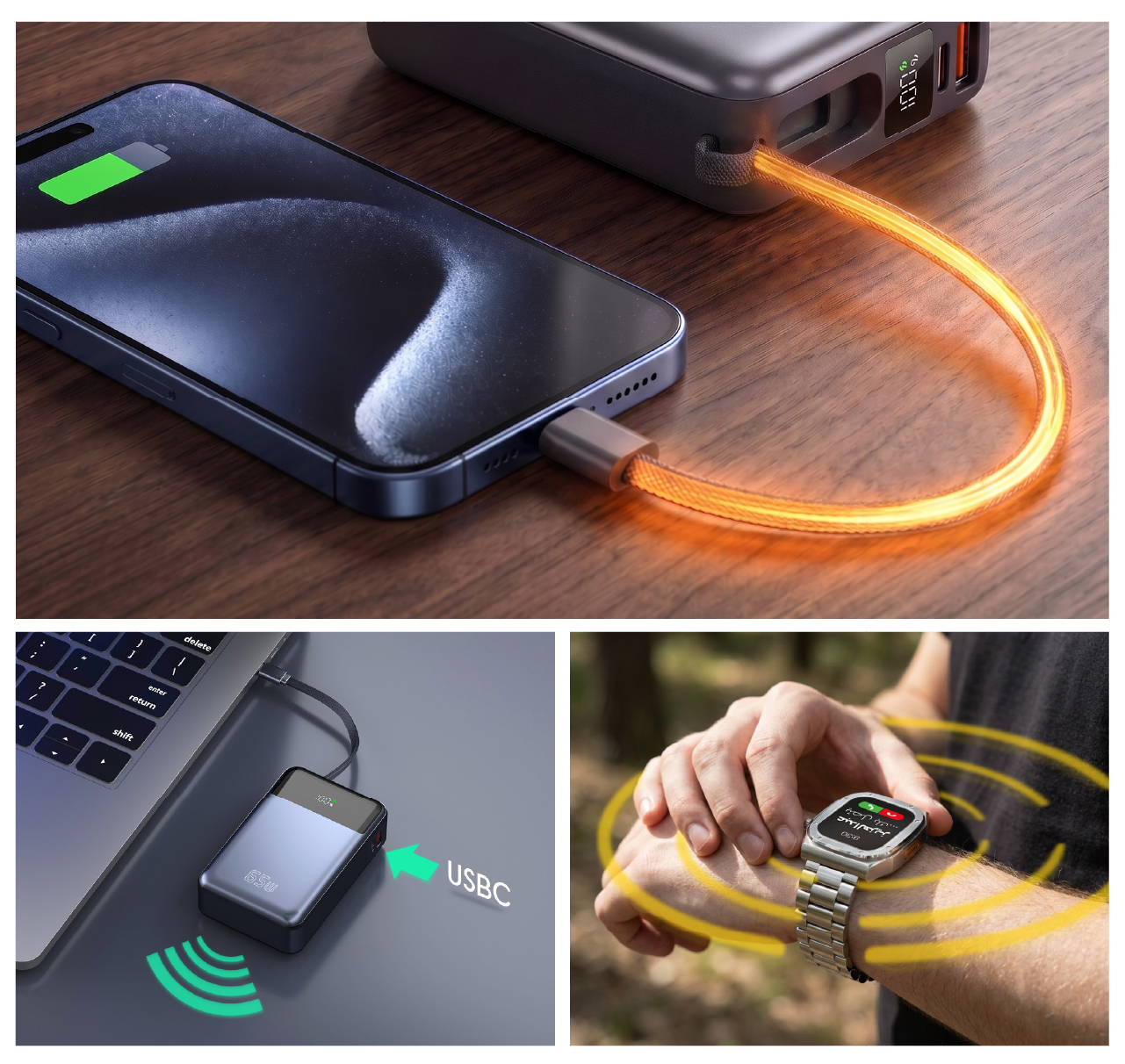
Visual Effects & Product Enhancements
Visual effects may be used to help communicate product functionality, benefits, and key features.
Effects should support understanding rather than create spectacle.
Examples include:
- Charging animations and power effects
- Connectivity indicators
- Audio visualizations
- User interface overlays
- Product feature callouts
- Battery and performance indicators
These effects should remain:
- Clean
- Simple
- Easy to understand
- Consistent with the overall brand identity
Effects should never overpower the product or create unrealistic expectations.
Photography Principles
When evaluating photography, ask the following questions:
- Does it feel human?
- Does it feel useful?
- Does it feel relevant to everyday life?
- Does it reflect local culture and experiences?
- Does it help explain the product?
- Does it feel approachable rather than technical?
If the answer to any of these questions is no, the image should be reconsidered.